- 04/17/2026
- 14 Min Read
- By: Christian Schaefer
Audi B8 S5 vs. B9 S5: How Does The Most Recent Generation Compare To The Enthusiast Favorite?

For almost two decades, the Audi S5 has been one of the best purchases for a sporty everyday coupe. Whether you’re after the older B8 or the current B9, speed, comfort, and practicality are at your fingertips, but the two go about it differently. One stands as a beloved model with a future classic engine, while the other is the latest and greatest. So what happens when you pit a beloved model against its successor? The easy answer says modern wins, but enthusiasts know all too well that a new model isn’t always an upgrade.
The Audi S5: A Brief Recent History
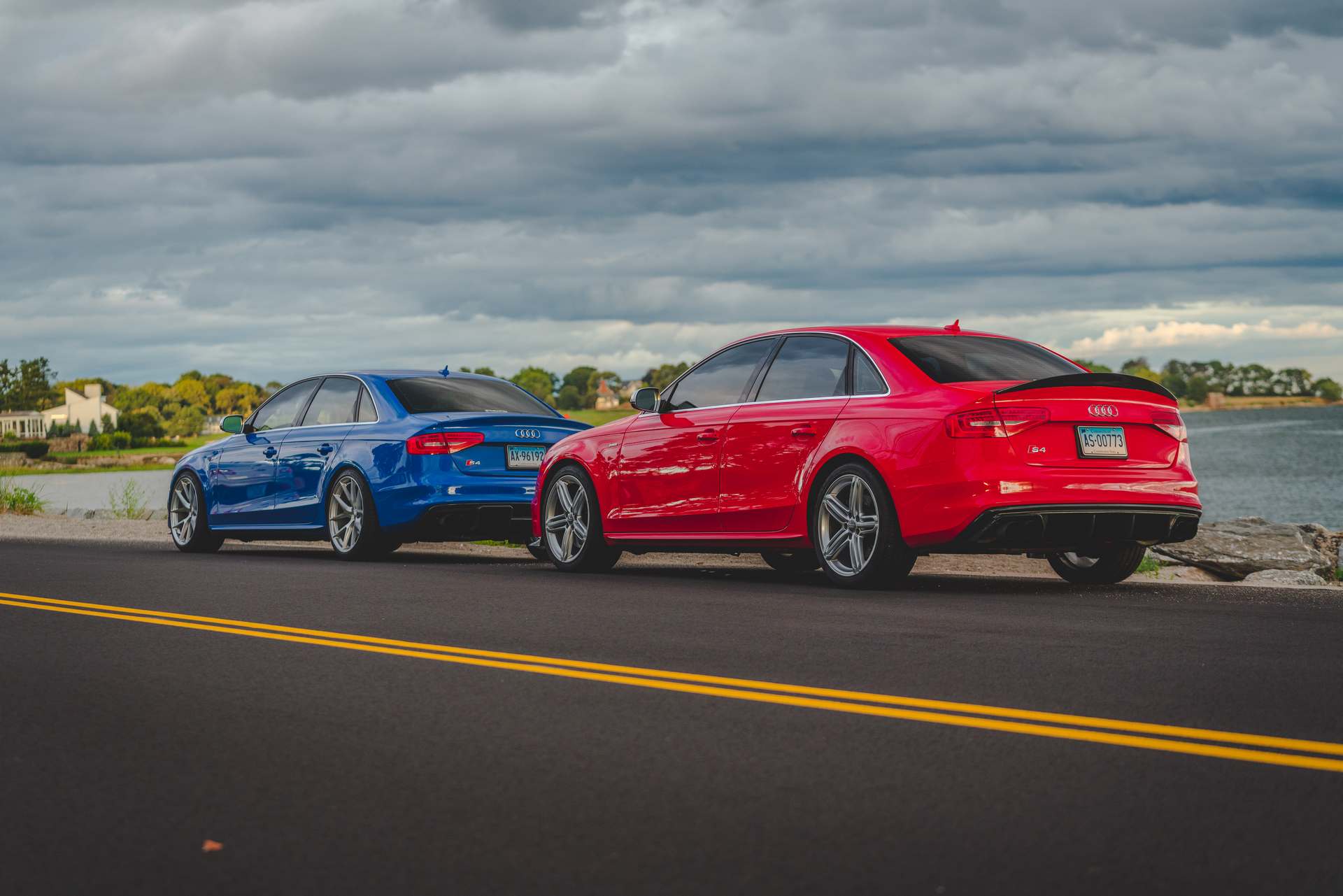
Not since the Coupe quattro of the mid-nineties had Audi offered a sporty two-door sedan on American shores. The B-class platform it was built around evolved into the A4, but it took over a decade of A4 production before Audi decided to go after BMW 3-Series coupe and Mercedes C-Class coupe sales with one of its own. The A5 arrived in 2008 just in time for the Great Financial Crisis, but the economic downturn didn’t stop sales of the handsome new Audi, as buyers quickly snapped them up. The sportier B8 S5 that arrived a bit later was just as successful, and the succeeding B9 generation S5 has become more popular than the much more established B9 S4 thanks to its new four-door liftback variant, the Sportback.
.JPG)
Sporting a brand new chassis architecture and a normally-aspirated 4.2L V8 capable of more than 7000 rpm, the B8 S5 hit the scene as an exciting new take on Audi’s storied B-chassis. It arrived wearing the styling that all B8-based models would feature: flared arches, aggressive lines, LED running lights, and a wonderfully proportioned coupe roofline. Taking many of its characteristics from its supercar big brother, the R8, the S5 took all that mid-engined magic and distilled it into a more affordable coupe. Inside, the S5 sported welcome updates over the preceding B7 chassis, including vastly improved tech and features. It was comfortable, too, with intensely bolstered Recaro seats in leather and Alcantara.
Oddly, though, while the rest of the B8 lineup—including the early convertible S5 and all facelifted S5 variants—sported the beloved supercharged 3.0t V6 and DSG gearbox, the early S5 coupes gained a 4.2L V8 that shared much with the heart of the first R8 and Tiptronic six-speed automatic transmission. It’s a characterful engine that makes a tremendous noise, but it was already a bit dated when it found a home in the S5. The 3.0t found its way into the hardtop coupe in 2013, matching it with the rest of the lineup.
It didn’t take long for everyone who’d driven the B8 to claim its factory-claimed power was underrated. Sprints to 60mph arrived well under five seconds, and quarter-mile times were identical to American muscle, sporting much more power. But it wasn’t just the speed, but how it came on and the sensations it brought out. The supercharger provided seemingly endless torque that could be exploited by quattro AWD and the lightning-fast DSG transmission, while adding in a faint alto-esque whine over the howling V6. It was speed and theatre, all in an entirely usable and practical package.
For seven years, B8 S5s roamed the streets as a more luxurious and quicker two-door than America’s Mustangs and Challengers, not just in the corners where weight and drivetrain were a significant advantage, but even in a straight line, thanks to quattro AWD and the 3.0t. But times changed, and so did emissions and performance standards. The supercharged V6 could be traced back to the original FSI V6 in the mid-’00s, and the new requirements had pushed beyond the EA837’s capability. With a need for more power, cleaner emissions, and a new package to wrap it in, the stage was set for the B9.
Eight years after its debut, the B9 S5 is still one of the best-performing coupes (two-door and four-door) you can buy today. It’s been updated and revised, and it’s grown another pair of doors, but the basic formula laid out by its predecessor remains. Because of that, it’s practical, daily livable, and seriously quick.
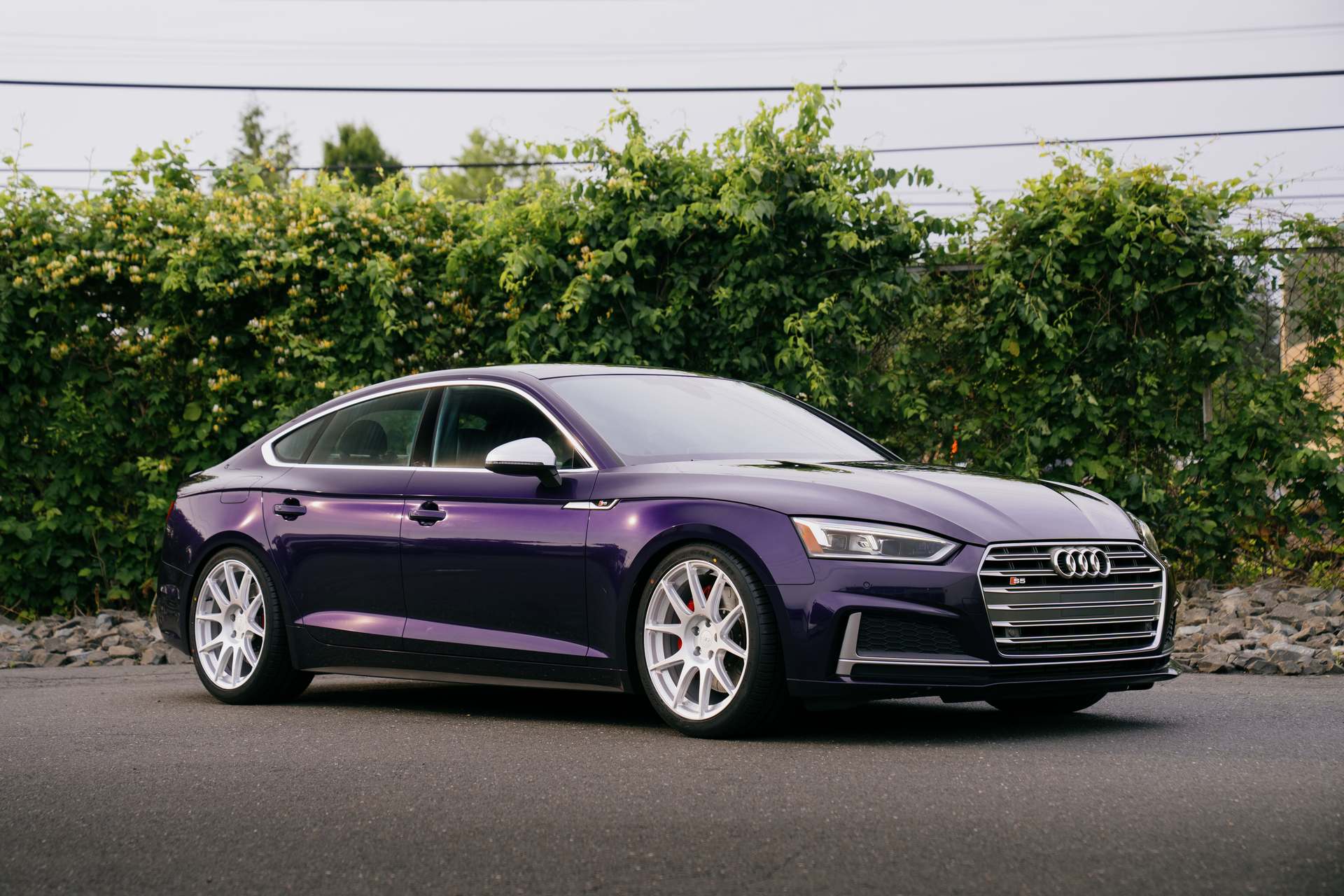
The B9 sits on an evolution of the B8’s platform, the MLB Evo B and MLB B, respectively. Audi took what they learned from the B8, made a few dozen changes, and assembled a more capable platform in almost every facet. It’s lighter thanks to new suspension components, has more mechanical grip from a wider track, better stability at higher speeds because of the longer wheelbase, and carries more inside thanks to the larger cabin. The familiar Audi solidity and quattro grip are there, but further suspension refinement easily makes it the best handling S5 in stock form.
The drivetrain is also quite different, sporting a new engine and transmission. At first glance, it appears Audi made a relatively simple change in forced induction but carried on with an evolution of the B8’s engine. However, that couldn’t be further from the case, and the new engine presents a host of upgrades undoubtedly taken from data gained via the supercharged engine. The entire drivetrain manages to be more robust in previously weak areas, and while it has provided some new challenges for owners, it’s a step in the right direction for reliability's sake over an already fairly reliable package.
Audi packed the rest of the car with upholstery and technology. A striking dashboard with a big infotainment screen and the Audi virtual cockpit greet the driver with many adjustable settings and configurable screens. The seats are sporty and leather, as are many of the touch points around the cabin. Altogether, it's a package that’s hard to argue with. Thanks to the Sportback, sales figures show buyers would agree more now than ever. The S5 has outpaced the S4 as the more popular choice for the first time.
Both S5s do essentially the same thing: drive the same way, look pretty similar, and are easily accessible if you have the money. But if you had to have one, is there such a thing as a wrong choice?
Audi B8 & B9 S5 Spec Comparison | |||||
| Chassis | B8 Coupe | B8 Convertible | B8.5 | B9 | B9.5 |
| Model Years | 2008-2012 | 2010-2012 | 2013-2016 | 2018-2020 | 2021-2025 |
| Engine | 4.2L FSI V8 | EA837 Supercharged 3.0L V6 | EA837 Supercharged 3.0L V6 | EA839 Turbocharged 3.0L V6 | EA839 Turbocharged 3.0L V6 |
| Engine Code | CAUA | CAKA/CCBA | CGWC/CGXC | CWGD (GP0) | CWGD (GP1) |
| Horsepower | 354 hp @ 6,800 rpm | 333 hp @ 5500-7000 RPM | 333 hp @ 5500-7000 RPM | 354 hp @ 6400 rpm | 354 hp @ 6400 rpm |
| Torque | 325 lb/ft @ 3500 RPM | 325 lb/ft @ 2900-5300 RPM | 325 lb/ft @ 2900-5300 RPM | 369 lb-ft @ 1370-4500 rpm | 369 lb-ft @ 1370-4500 rpm |
| Transmission | 0B4 6-Speed Manual
ZF 6HP28 Six-Speed Tiptronic | 0B4 6-Speed Manual
0B5 - DL501 S-Tronic Seven-Speed DSG | 0B4 6-Speed Manual
0B5 - DL501 S-Tronic Seven-Speed DSG | 0D5 - AL552 Eight-Speed Automatic (ZF 8HP55) | 0D5 - AL552 Eight-Speed Automatic (ZF 8HP55) |
| Fuel Economy | 16/19/22 (Automatic) | 18/21/28 (DSG) | 18/21/28 (DSG) | 21/24/30 | 21/24/30 |
| 0-60mph Time | 4.9 sec | 4.4 sec (DSG) | 4.4 sec (DSG) | 4.3 sec | 4.3 sec |
| Weight | 4067lbs (Automatic) | 3,924 lbs. (DSG) | 3,935 lbs. (DSG) | 3,858 lbs. | 3,858 lbs. |
| Infotainment | 3G | MIB
| RMC |
Audi B8 S5 vs. B9 S5 Chassis
The B8 S5 rides on the MLB platform, VAG’s first modular platform for their small and midsize sedans. It uses a multi-link suspension similar to its predecessor but has updates to a few arms to accommodate the new platform. Four per front corner work together to center the wheel assembly in the well and control its movement. A similar multi-link arrangement, albeit with an extra arm, controls the rear wheels. Adjustment is minimal with the stock arms, as camber is only adjustable in the rear. The bushings within the arms are a standard rubber type.
Either a passive damper or an optional adaptive type handles ride control. The standard Sport suspension package is relatively firm in damping, but it suits the big coupe without eliminating the comfort required to drive it daily. It’s also less expensive to replace than the optional adaptive damping suspension. The ADS dampers feature four damping modes: Comfort, Sport, Dynamic, and Individual via the Audi Drive Select system. Optional on early models and standard on later ones, the Drive Select allows the B8’s driver to adjust steering weight, engine response, transmission shift points, and dampers if those are equipped.
The basic architecture of the B9’s MLB Evo chassis is relatively similar to that of the B8, but the individual components are 90% new. New suspension mounting points mean the arms are distinct for the B9, though the multi-link design is relatively close to the B8. The arms are forged in a new shape with lighter aluminum and pressed with a revised bushing, undoubtedly lending to the improved chassis dynamics. Indeed, the weight savings did, too, as the new forgings contributed a 35lb weight savings over the B8’s components.
Like the B8, the B9 S5 will have one of two damper packages. The standard is a passive Sport suspension, while the Sport adaptive damping suspension, or SPADS, is available only with the S Sport package. Either option will deliver a sporty and relatively stiff ride, but the adaptive dampers should be able to dial that back or ramp it up based on the setting chosen in Audi Drive Select. The latter also comes with the sport differential, which first appeared in the B8 as an optional extra. It’s an electronically controlled differential that fuses various sensors throughout the car to determine which rear wheel should receive more or less torque to help the car rotate and eliminate understeer.
Pound for pound, both generations deliver a sharp, sporty ride that is usable daily. The B9’s lighter weight and more refined suspension components give it an edge over the B8 in its original form. However, both cars can be considered European tuner cars, so aftermarket options are widely available for both generations. Standard upgrades include stiffer dampers, lowering springs, coilovers, thicker sway bars, stiffer bushings, and adjustable arms. Whether you’re looking to sharpen your S5’s edges or sit that thing really low, you should be able to find what you need.
Audi B8 S5 vs. B9 S5 Engines
The 3.0t TFSI engine has been the heart and soul of the last two generations of Audi S4 and S5 (mainly). That badge has been synonymous with a reliable, powerful, and tunable engine capable of hanging with the best in its class for fifteen years. But there’s no forgetting that early S5 coupes received neither of those engines, but a 4.2L FSI V8. Unique among the other offerings, it’s the last of an era.
Audi’s FSI V8 is somewhat famous among the European tuner world, and not all for good. It does have a lot going for it, being an all-aluminum, double-overhead-cam V8 with direct injection and an adventurous redline. The exhaust note is a high point of the era, and it’s genuinely quick without modifications, but there isn’t much more to get out of it without spending significant money.
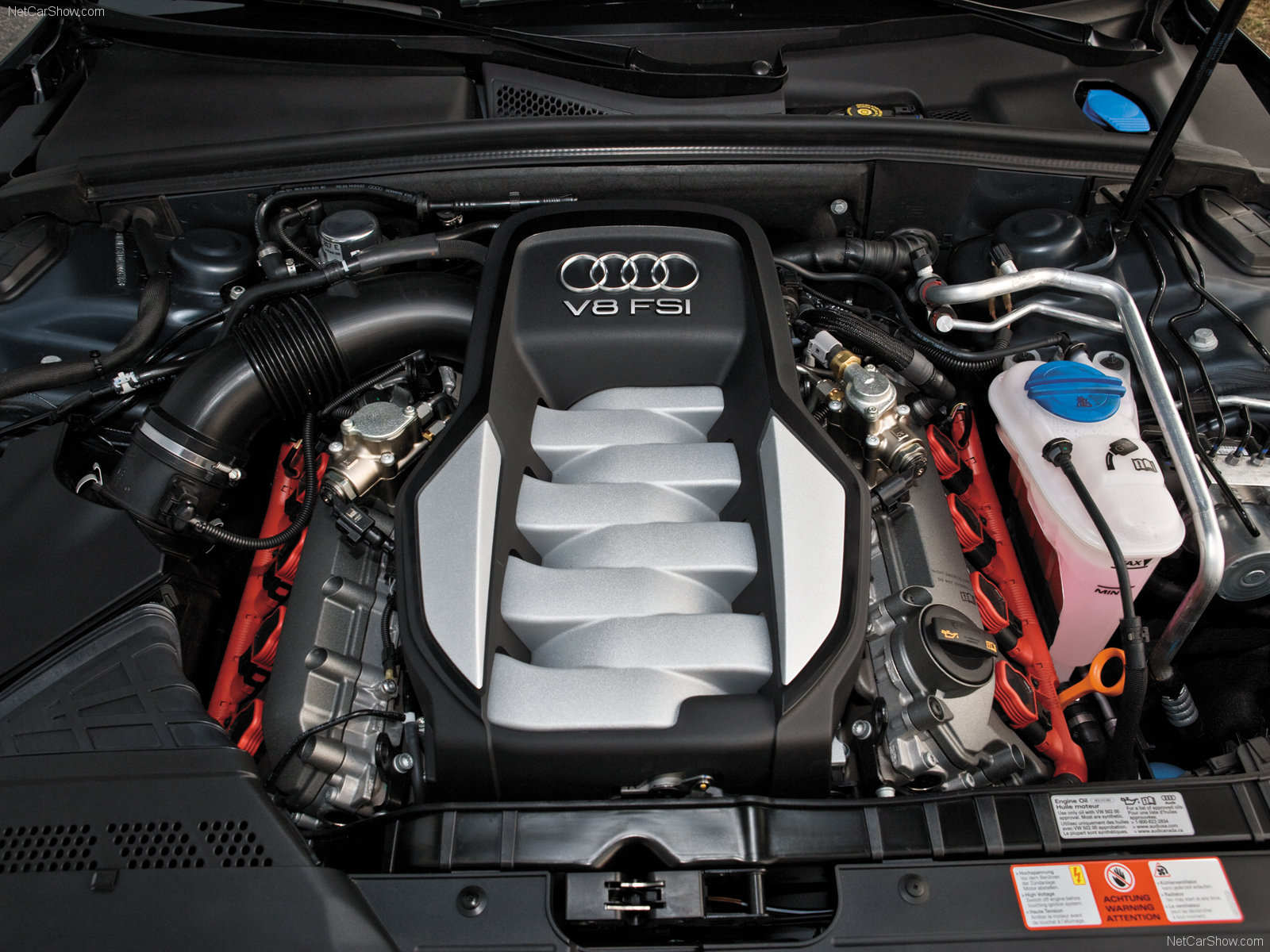
Being the last of the N/A V8s, the CAUA engine in the S5 has the most robust chain system of all, but the oldest engines are nearly 20 years old, and the phenolic plastic used for the guides does become brittle with age and heat, so be aware of that if you find yourself after one. There are other areas to look out for like ignition coils and the PCV system, but those are simple to service.
The older 3.0t engine is the EA837, a supercharged, under-square V6 paired with an Eaton roots-style supercharger. It’s an evolution of the 3.2 FSI V6 introduced in 2004—the same architecture in the 4.2L V8—sporting a completely revised rotating assembly and cylinder head to withstand positive boost pressure and more aggressive driving. Oddly, Audi claims peak power to be less than the V8, but independent dyno tests and unsuspecting tuner car owners have determined that’s not the case.
The 3.0t TFSI engine is quick and responsive in all forms, boasting a linear powerband and instantaneous torque. Power didn’t increase when moving to the facelift, but that wasn’t necessary for the time, as its “333 hp” was enough to keep it competitive. That said, extra power is readily available with a couple of parts from your preferred VAG tuner. It will strain the supercharged V6’s reliability, but not necessarily a noticeable amount if you keep the modifications simple. The EA837 is reliable without mods, with a few common hang-ups to look out for. Carbon cleaning the intake valves is big, but that’s common for all directly injected engines. Mostly, you’ll take the supercharger off to get to some cooling system bits and potentially replace the intercooler bricks.
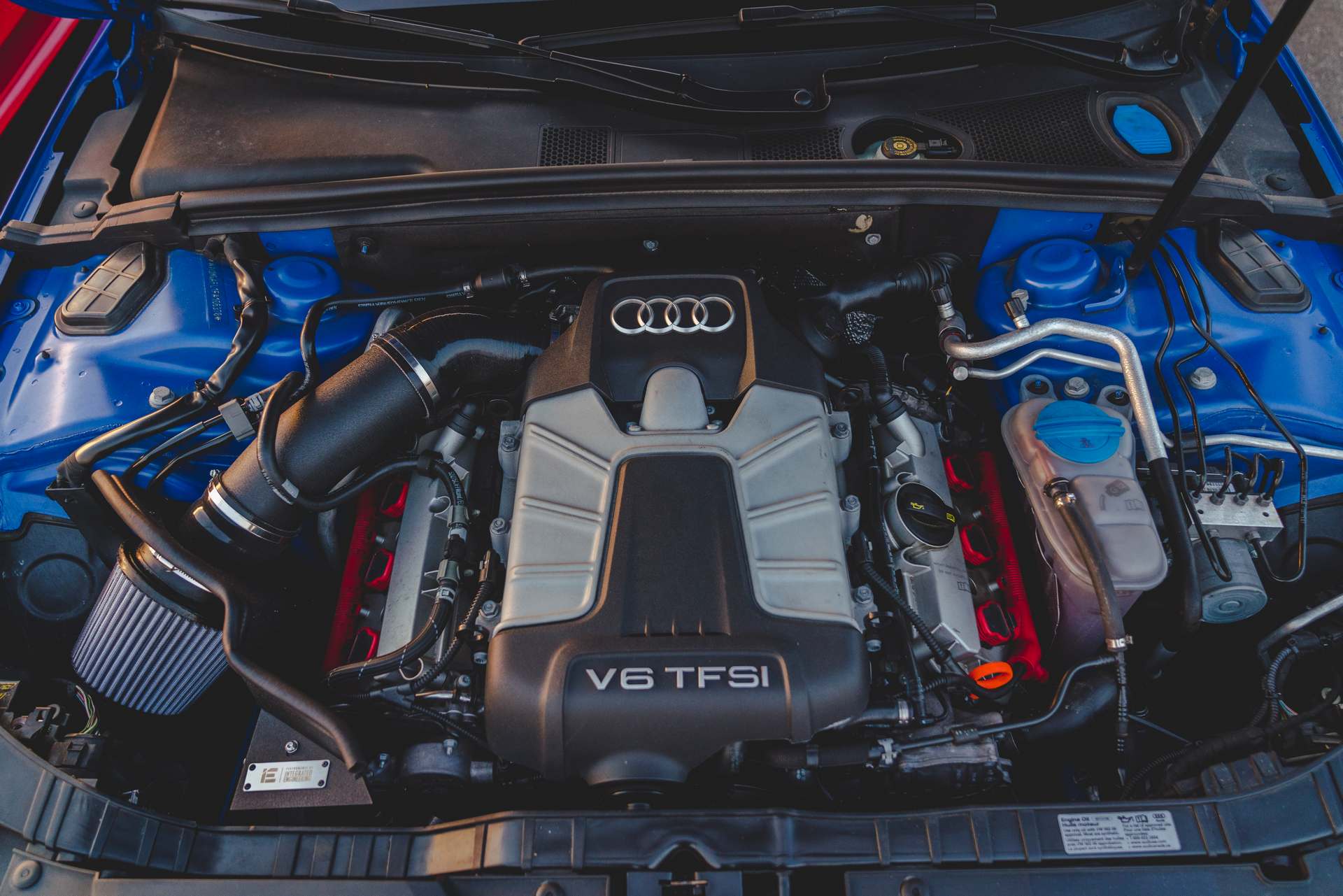
No one can blame you if you’ve never heard of an Audi intercooler brick, as it’s only for these supercharged engines. There are two per engine, one per cylinder bank, to cool the supercharged intake air before it enters the engine. Extended use and higher miles show they can leak coolant into the engine. That’s not good for a few reasons and can lead to significant damage, so watch out for that. But, for the most part, ownership should be standard maintenance relative to the vehicle’s mileage.
Although also badged as a 3.0t TFSI, the EA839 is very much unique to itself. The most significant change is arguably the switch to turbocharging, which includes a shift to a hot-vee layout with cylinder-head-integrated manifolds. That style has become incredibly popular since the 2014 F1 regulations took effect, and Audi was quick to see the benefits, even if it was not competing in that series. The cylinder heads are also very different, and not just to account for the hot-vee. Where the B8’s engine has only an adjustable intake camshaft, the B9’s engine uses variable cam timing on the intake and exhaust cams and variable valve lift (AVS) on the intake side.
The valve lift aids in widening the power band, but its real purpose is to help with emissions. Under partial load, when the cam’s smaller lobe is actuating the valves, the engine operates under the Miller combustion cycle, also called the B-cycle by VAG. It’s similar to what’s in the EA888.3b engine and helps return a respectable economy figure while providing gobs of power when you want it.
Audi also put time into addressing universal issues with the timing system and the PCV. Weak chain guides, stretching chains, and failing tensioners have plagued Audi engines in the past due to fairly complex timing systems, but engineers seemed to finally learn their lesson for the B9. Instead of a complex five-chain system, the new engine uses a gear drive to spin the balance shaft that sits in the vee, which then has a sprocket on it to drive two chains, one for each head. So far, Audi’s changes have seemed to work, as timing issues are essentially nonexistent.
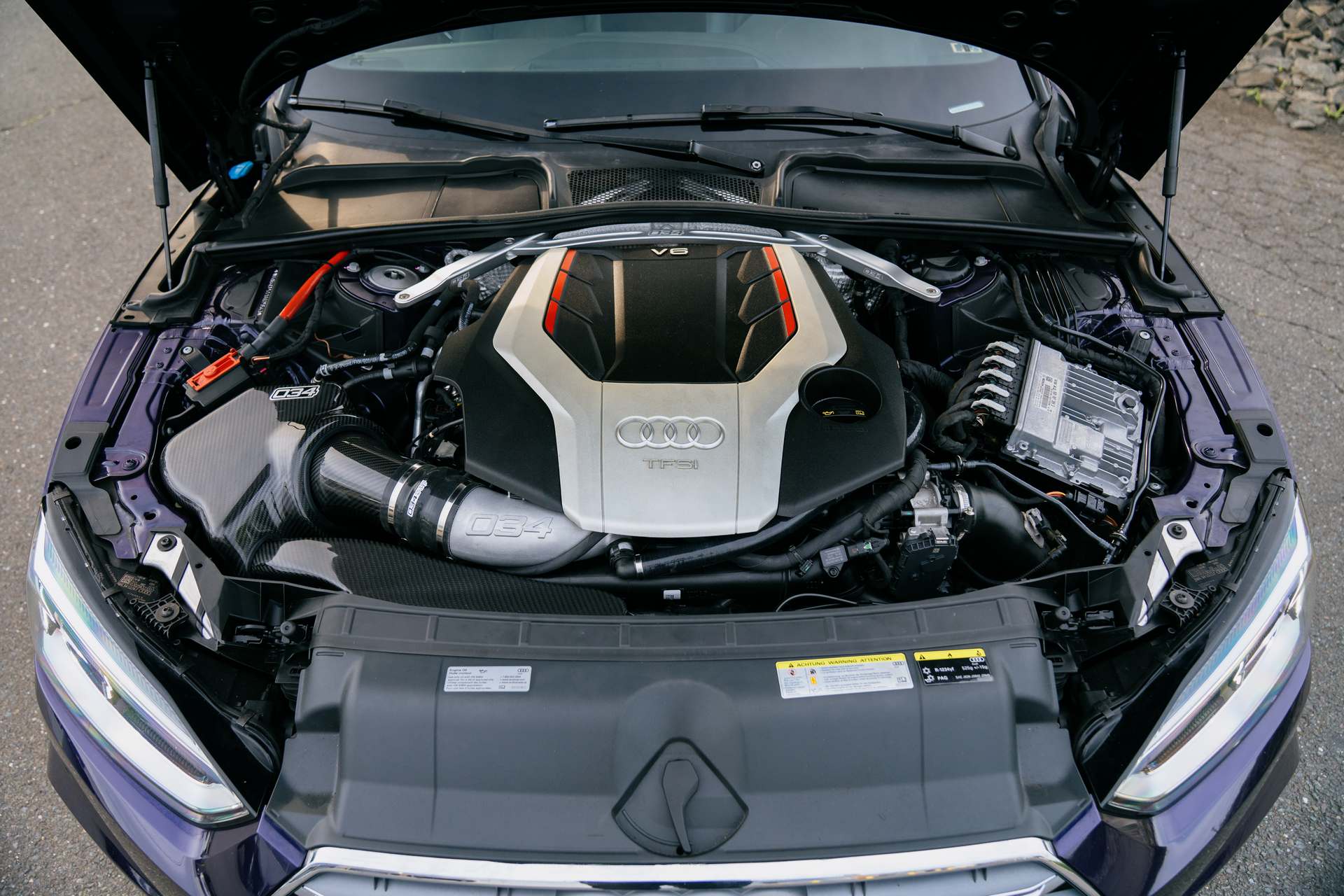
However, the PCV system can still cause some trouble. Specifically, a check valve within one of the hoses can fail, allowing boost pressure to enter the PCV system. That can cause the oil filler cap to blow off and spew oil throughout the engine bay, and that’s with or without the updated check valve Audi released with their TSB on the issue. The best solution for the hose issue has been the silicone 034 Motorsport hose. Water pumps are an annoying issue and remain on this engine as they were on its predecessor, so watch out for a low coolant level. However, the problems some have had with cylinder number 6 are more serious.
The exact cause isn’t yet known, but more than a few owners have had major failures in cylinder 6. They start as a misfire, but looking into it can reveal cracked ring lands and scored cylinder bores. Most affected models are tuned beyond factory levels, but not all are. The exact cause is still under investigation, but the leading theory claims excessive heat from the turbocharger’s hot side directly above it. Pre-July 2018-built engines also had rocker arm needle bearings that would fail, but Audi solved the issues with a revised arm and larger needle bearing rollers, which all engines built afterward are already fitted with.
Choosing between the two engines should be pretty tough. The B9 is more advanced, has better power potential, is more efficient, and requires less standard maintenance. On the other hand, the B8 makes an intoxicating noise, is still plenty potent when tuned, is less expensive to acquire, and has its major issues solved. Either way, you’re getting a good mill with some things to work around. It’ll likely come down to what’s attached to and surrounding the engine.
Audi B8 S5 vs. B9 S5 Transmission
Automakers often do things that leave us scratching our heads. Audi improved the B8 S5 by updating its two-pedal option to the lightning-fast DSG gearbox instead of the six-speed Tiptronic. Yet the B9 is back to a traditional torque-converter automatic. With quick judgment, that seems like the opposite of what any engineer would really want, but automatic transmissions have come a long way, and ZF has proven its updated 8HP is as good as anything else on the road. Three transmissions with differing schools of thought; is one better than the other?
There’s likely no correct answer to that question, but there is a wrong answer. The ZF 6HP28 automatic attached to the V8 won’t be taking the top spot, although it does a fine job of doing what it needs to. Shifts are crisp and decisive, but not quick relative to others here. It even manages better fuel economy than the manual. Issues are similar to those of the BMWs of the era: poor or a lack of maintenance leading to heavily worn internal parts, causing shifting issues. However, with proper maintenance, the Tiptronic is relatively reliable and suits the car well. It’s best utilized by someone driving locally or cruising on the highway rather than on track. For that, the best option is attached to the supercharged V6 in later models.
The DL501 DSG transmission—also called the 0B5—in the B8 convertible and all B8.5s was VAG’s first longitudinal dual-clutch transmission. Called the S-Tronic in marketing speak, it ended up in a handful of other Audi models, making them a fairly common find among their vehicles, and for good reason. Although complicated, the DSG is incredibly accurate and deliberate in its shifting. Gear changes are snapped off in milliseconds, rivaling Porsche’s PDK, but in the S5, it transfers power to all four wheels. Standing starts are brutal, as the DSG can take full advantage of the supercharger’s low-down torque. Yet, it has no problem sitting in seventh gear, helping you achieve a respectable fuel economy figure. It’s also easy to use in automatic or manual mode for drivers who want to accentuate their shifts.
It’s not perfect, though. A five-minute search on any online marketplace should return more than a few B8s needing transmission repairs. Most often, it's a failure within the Mechatronic unit, the electromechanical unit that houses and communicates with the actuators that perform the gear changes within. Replacement is costly as it requires opening the transmission and working within it. But with regular fluid services, that’s likely to be the only big issue. They can be a little jerky when cold from a standstill and in traffic, and shift too soon before the redline when in automatic mode. The latter issue is solved by one of the many available TCU tunes.
Before the B8 had gone away, Audi knew they’d adopt the AL552 ZF-built 8HP transmission to their B9 S5. The older DSG was reaching the end of its production, and the remaining DSG in production couldn’t handle the torque of the EA839, so the traditional automatic transmission took its place.
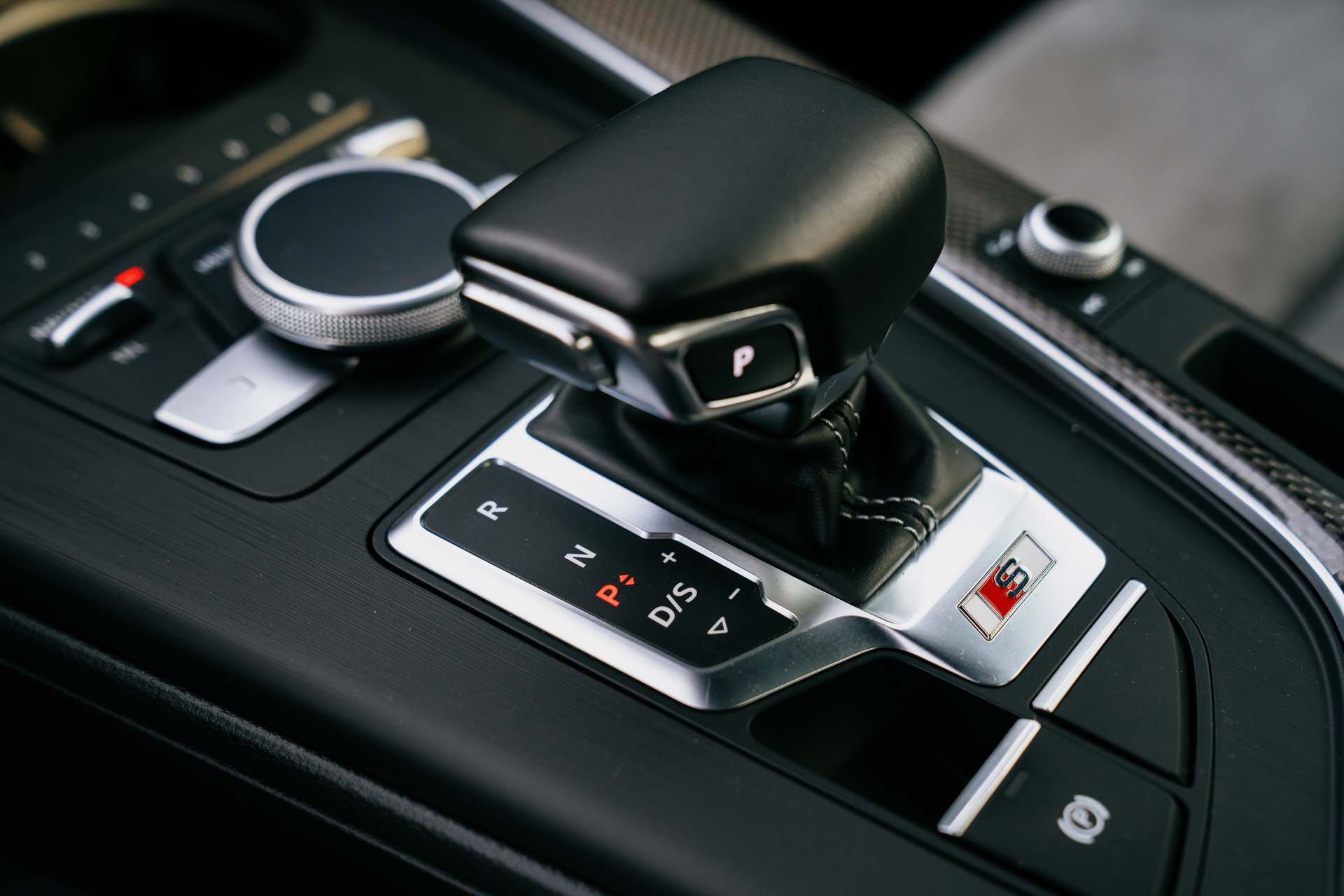
Older Audi models, like the D2 S8 and C5 S6, suffered from chronically broken Tiptronic ZF-built transmissions, but the 8HP in the B9 is nothing like the automatics of old. At the time of writing, it’s been used for around a decade and has since been updated and strengthened into the revered, go-to transmission we know today. In the several years that B9 owners have lived with it, the consensus is that it’s nicer to live with than the DSG, with smoother shifting in casual driving and when leaving from a stop. Its shifts are almost as quick as the 0B5, but not quite. The biggest knock it gets is that, even in its sportiest mode, it’s still not as engaging as its predecessor.
Potential issues are less probable than the DSG, but that doesn’t mean they’re non-existent. A big issue is Audi claiming these gearboxes use ‘lifetime’ fluid when that’s not the case. Servicing the 0D5 requires manual transmission fluid, automatic transmission fluid, and gear oil, as it contains the front differential and the center coupling unit. Beyond that, some report occasional jerkiness on the 1-2 shift at light throttle and when shifting from 8th to 7th. An aftermarket TCU tune and a shift bushing insert have been the fix for more than a few owners.
The 0B5 and 0D5 provide a fantastic experience for the driver, actuating crisp shifts and helping the performance-oriented drivetrain meet decent economy figures. The DSG is arguably better when healthy, and both cars are at factory power levels, but the 8HP’s ability to hold more power without modification makes it much more suited to aftermarket upgrades. The automatic is also nicer to live with daily, as long as you can live without the connection the DSG gives. However, neither is as engaging as the 0B4 six-speed manual transmission you can have in the B8.
There’s nothing that beats rowing your own, and that’s achievable in an S5. The ratios aren’t too long in the middle gears, yet sixth gear slots the V8 or supercharged V6 at a nice cruising RPM. It can hold modified power, too, as long as it’s fitted with a properly uprated clutch package. There’s no B9 S5 manual option—although the A5 did receive one for a few years—so you’re limited to the B8 if you have to have three pedals.
Audi B8 S5 vs. B9 S5 Exterior
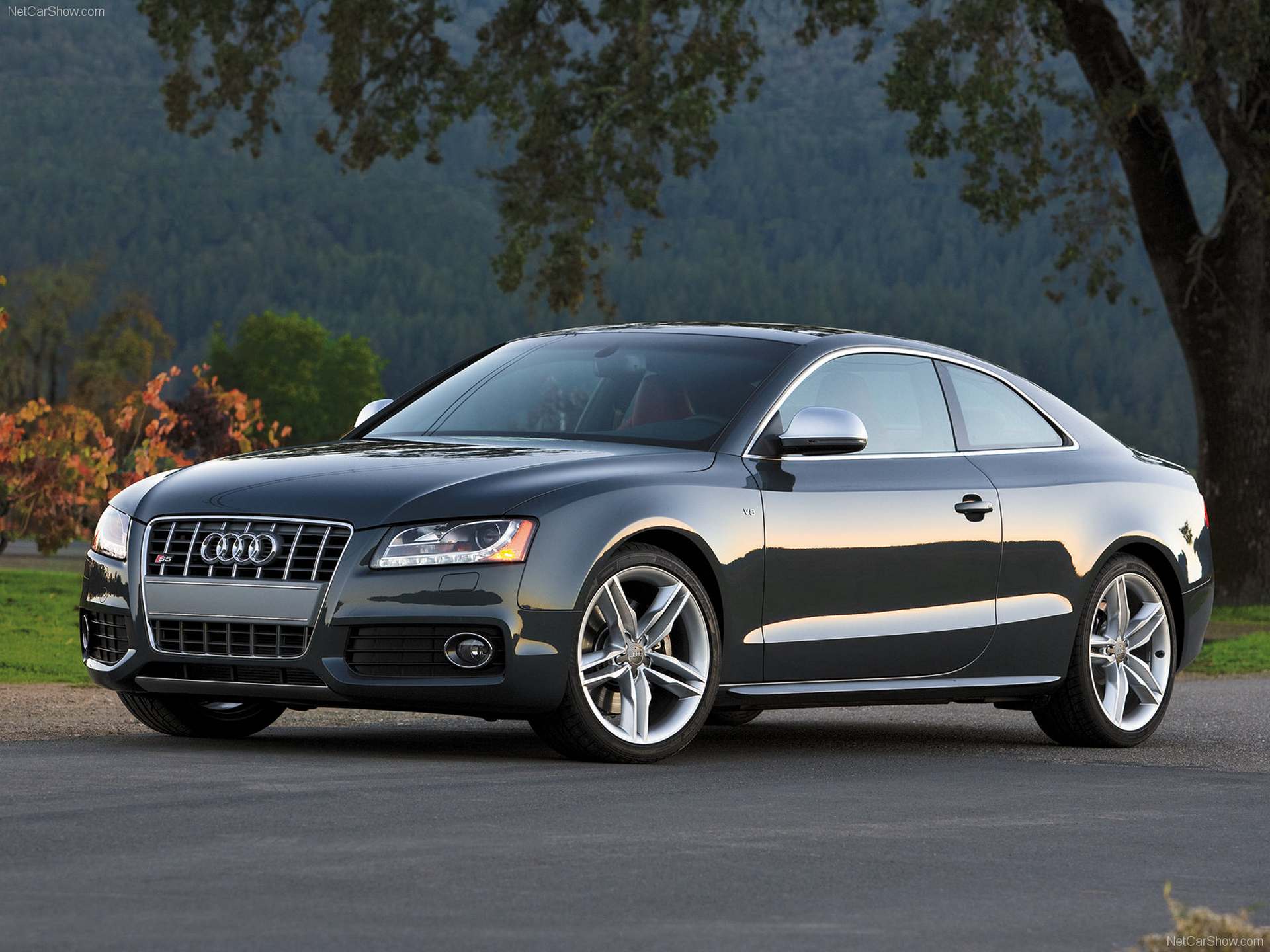
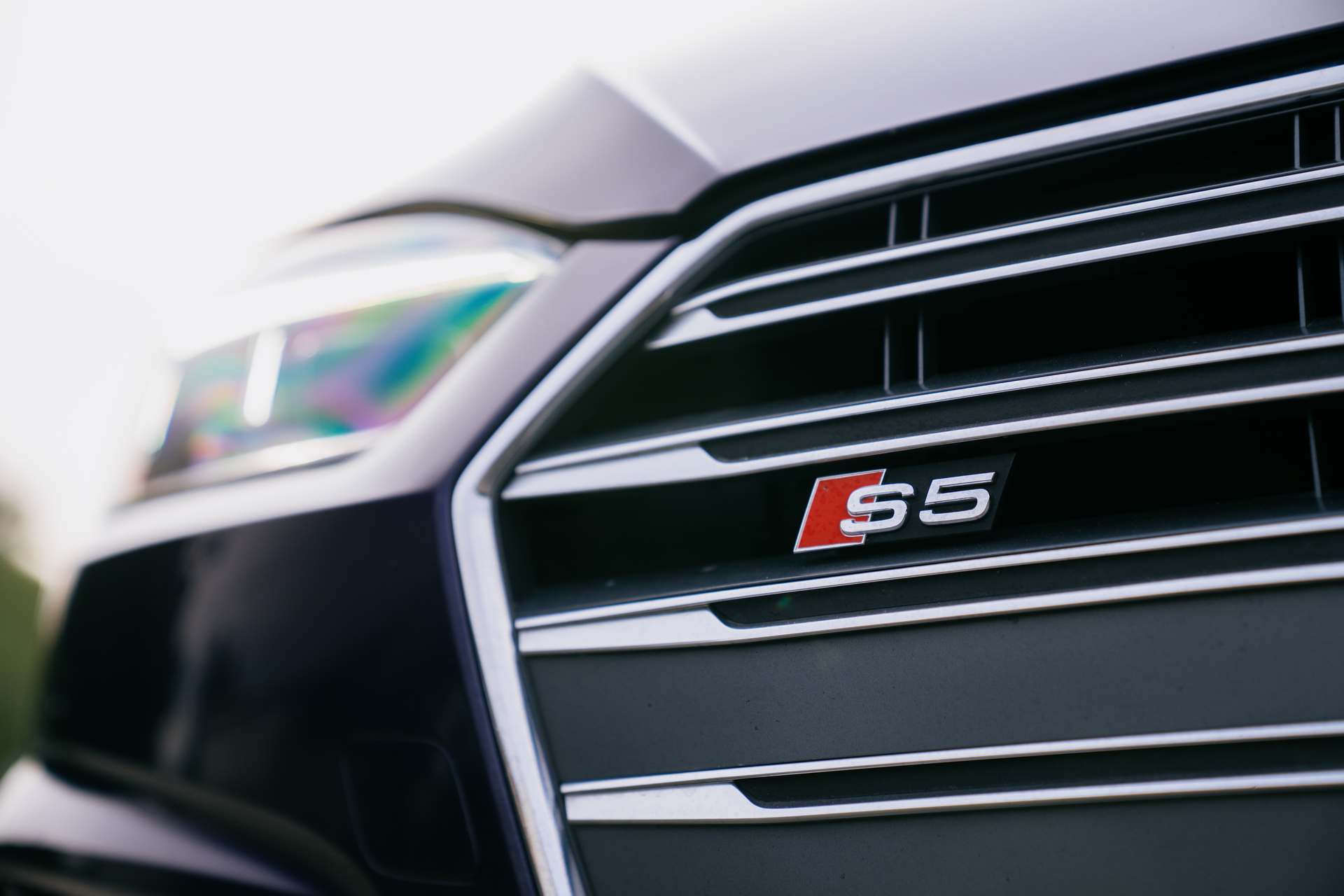
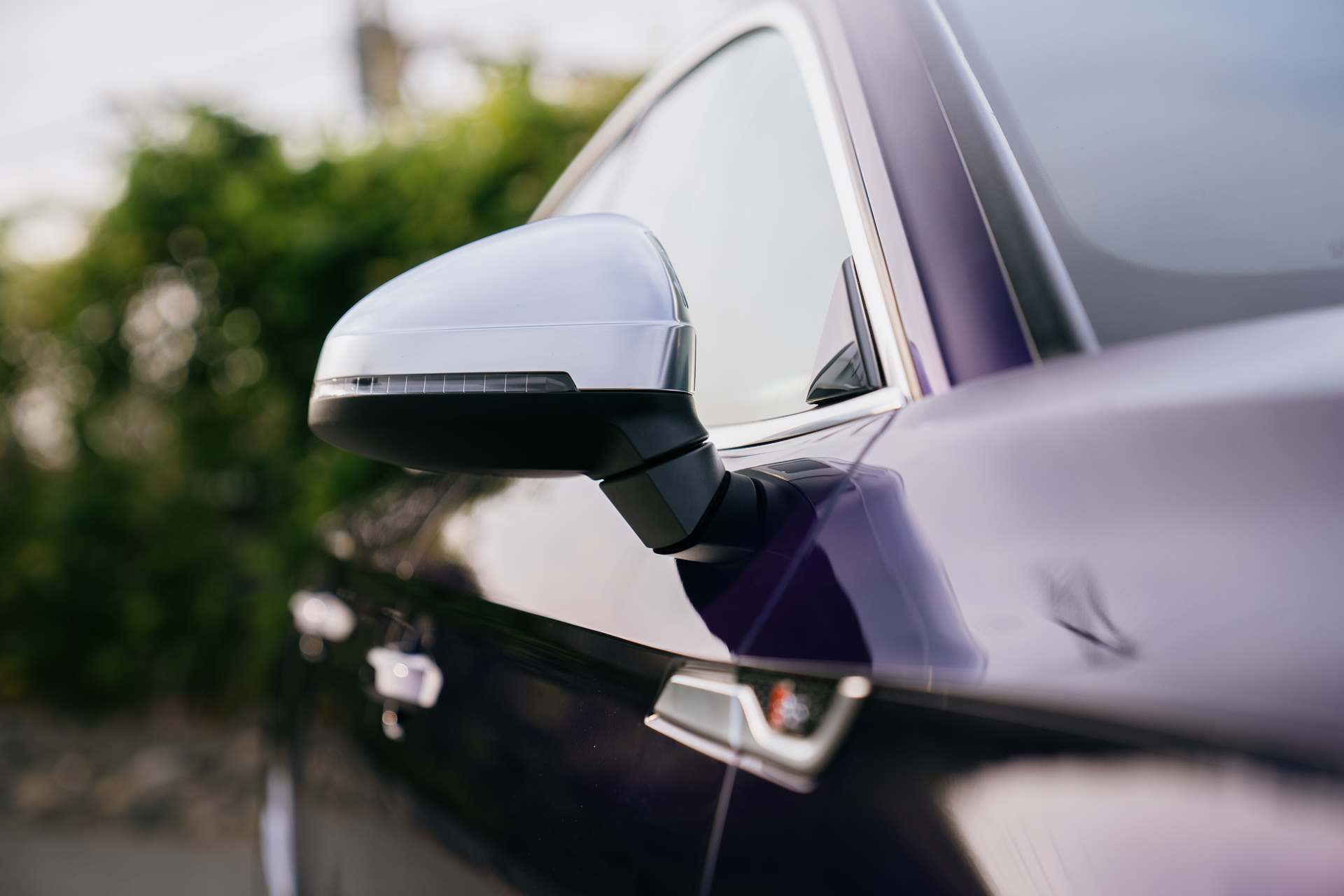
A car can be as powerful as possible, but why own it if you don’t like looking at it? Looks are purely subjective, and the beauty of living is that you’re mostly free to make the choices you’d like. Audi’s S5 has had two generations, each with a facelift, giving you a few different options for looks. Almost all had a Black Optics and an Aluminum-look Optics package, exclusive colors, and several wheel options to choose from. However, only the B9 S5 is available as a Sportback model.
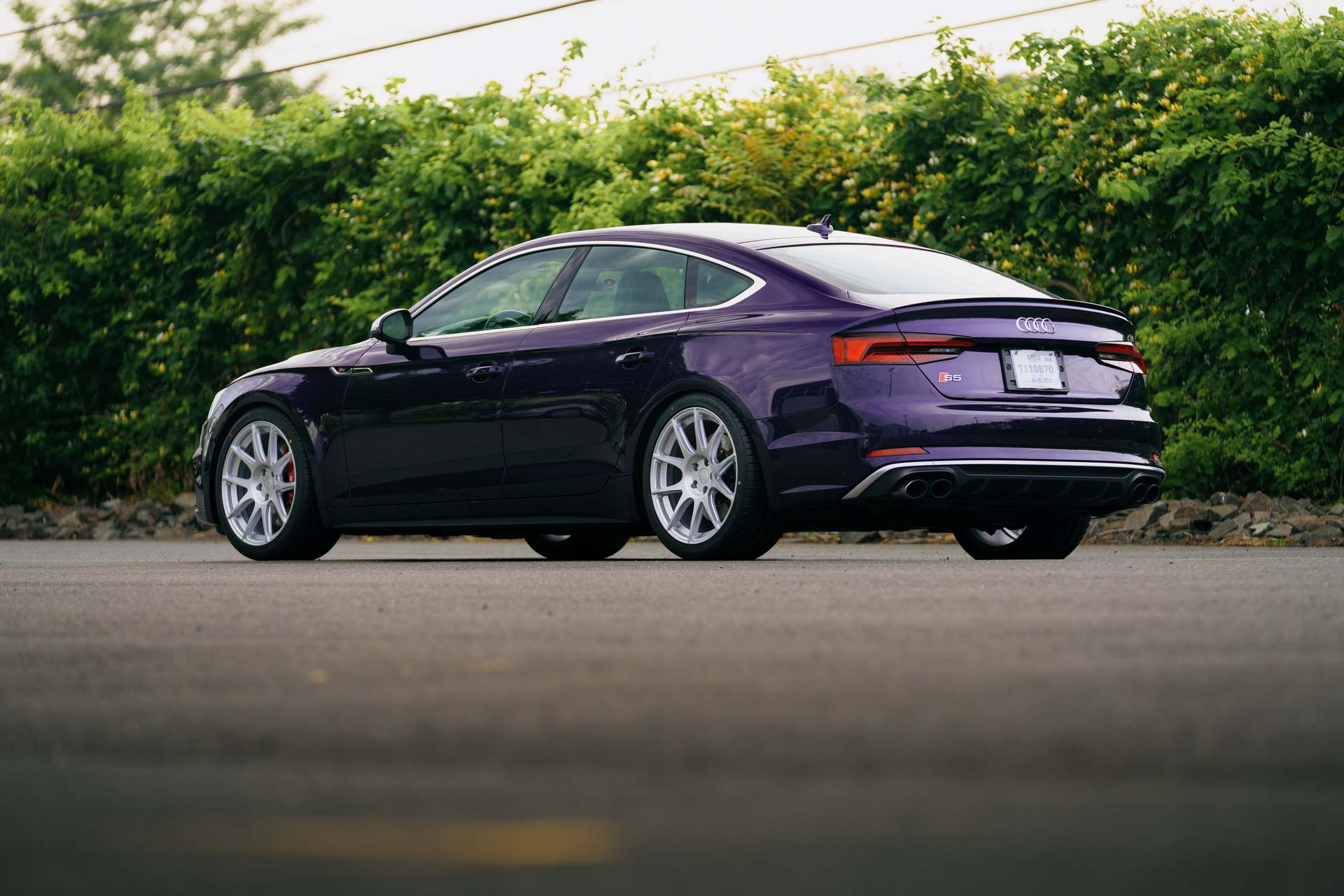
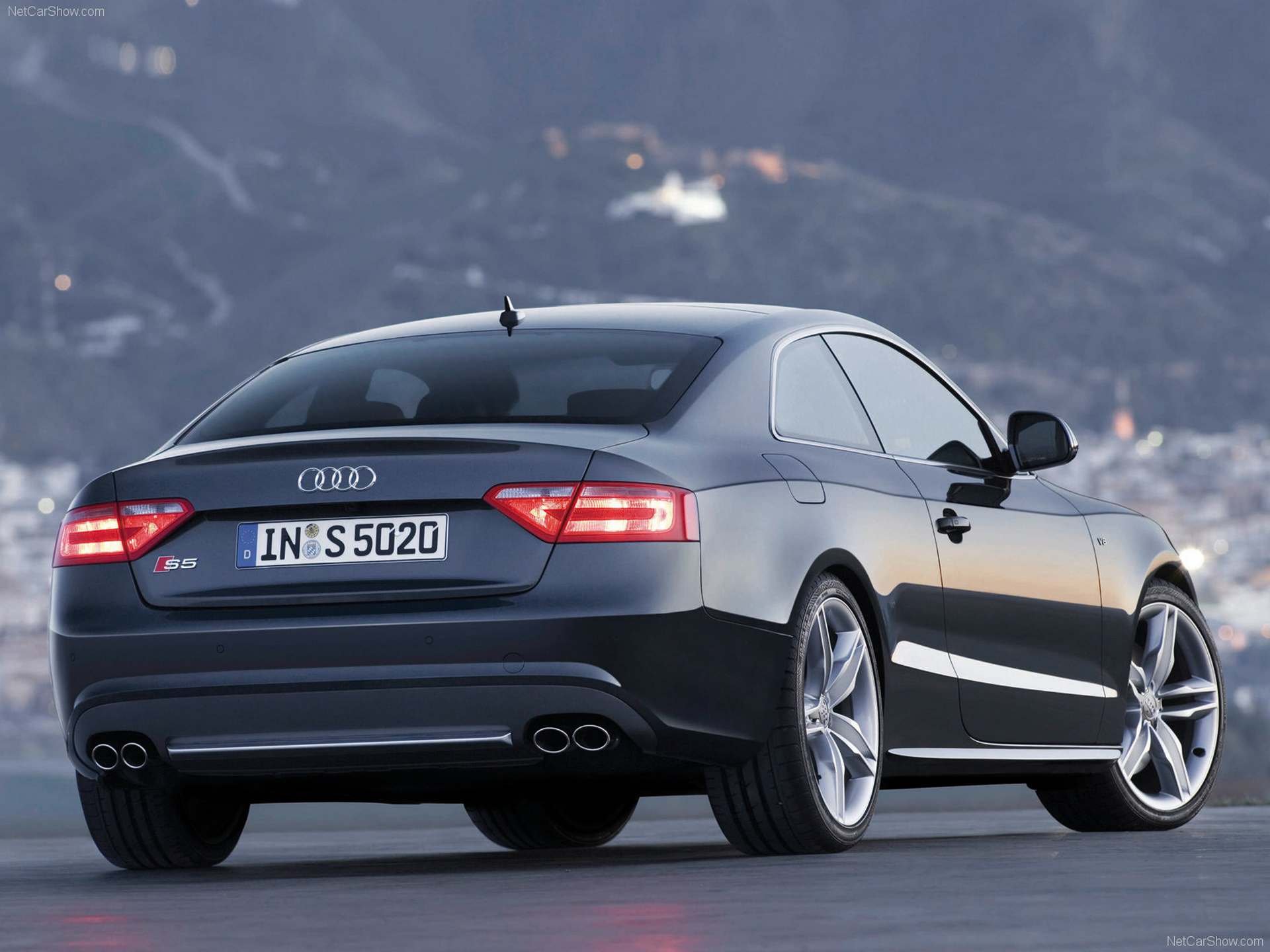
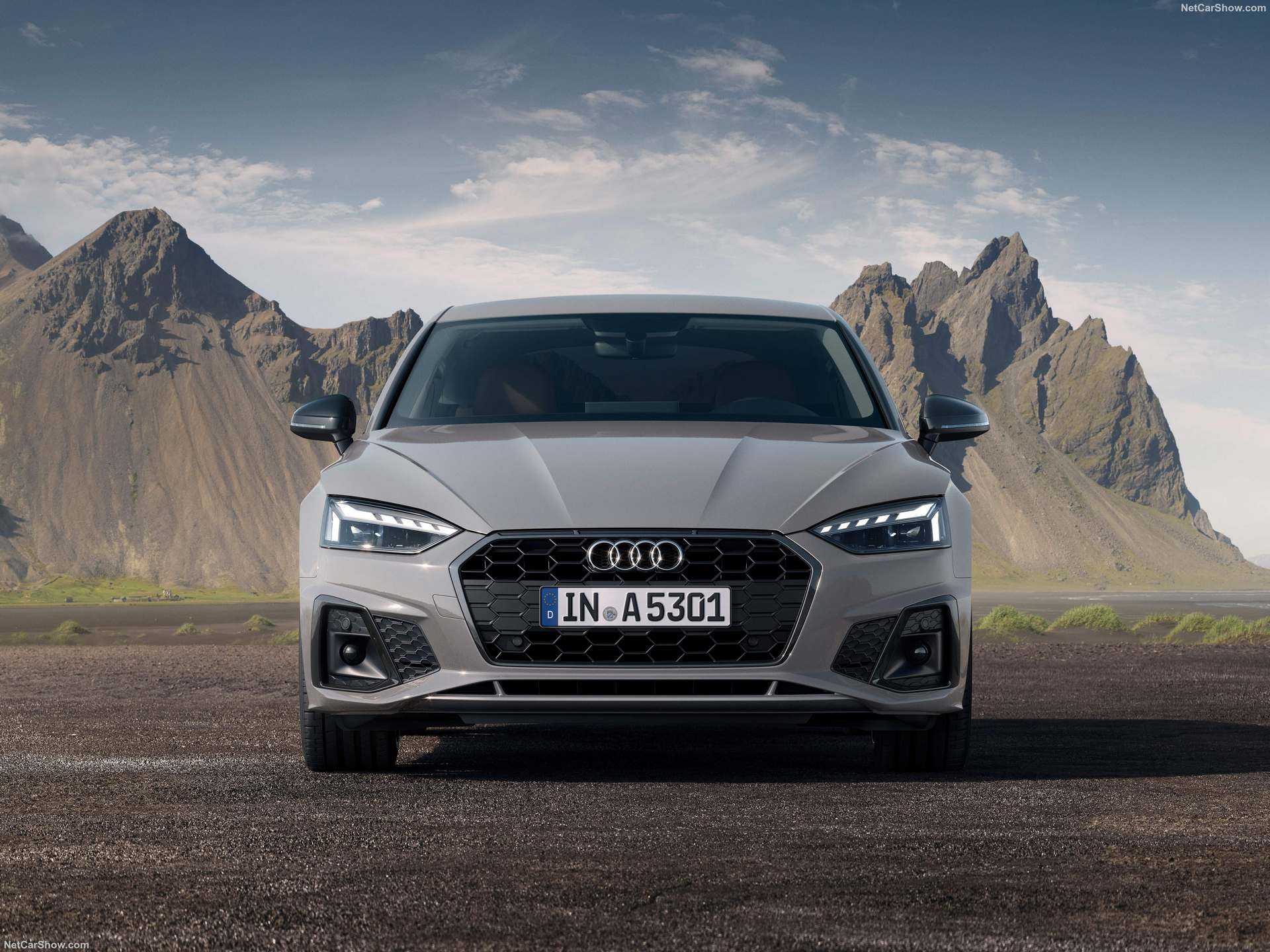
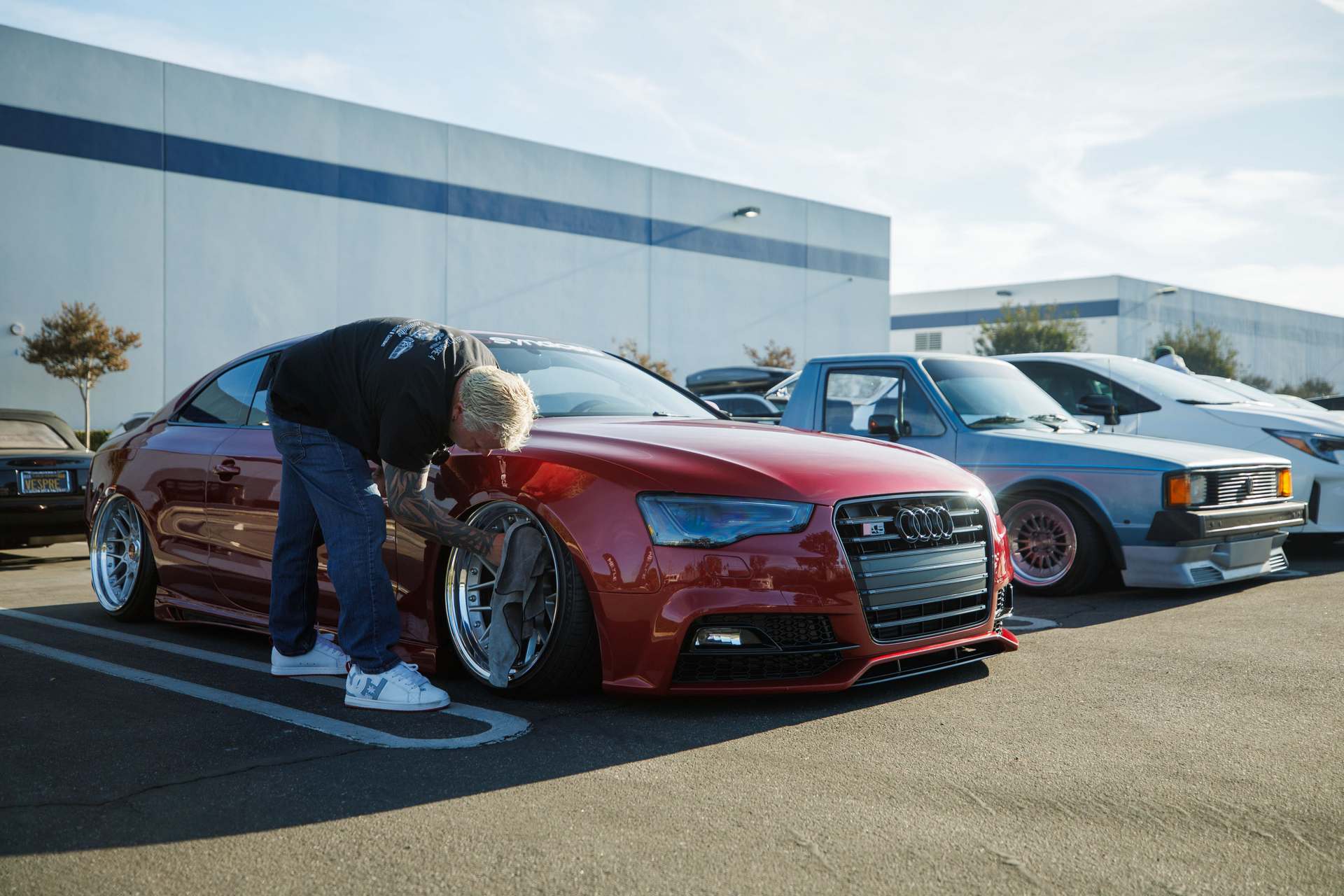
Fans have divided opinions on looks, but that's the beauty of opinions; you make your own. Scroll on to check out some shots of FCP Euro's Velvet Purple B9 S5 Sportback and Audi's official imagery for the B8.5 S5.
Audi B8 S5 vs. B9 S5 Interior
You can do a lot with styling, but out-of-date infotainment is tricky to navigate. Both interiors are stylish without being too busy, featuring soft-touch and upholstered surfaces broken up by large bits of inlay trim. The latter are typically piano black, some form of aluminum, or carbon fiber. Seat options and upholstery are similar, with a standard seat available in a few colors and a leather option. Beyond that, the differences are pretty stark.
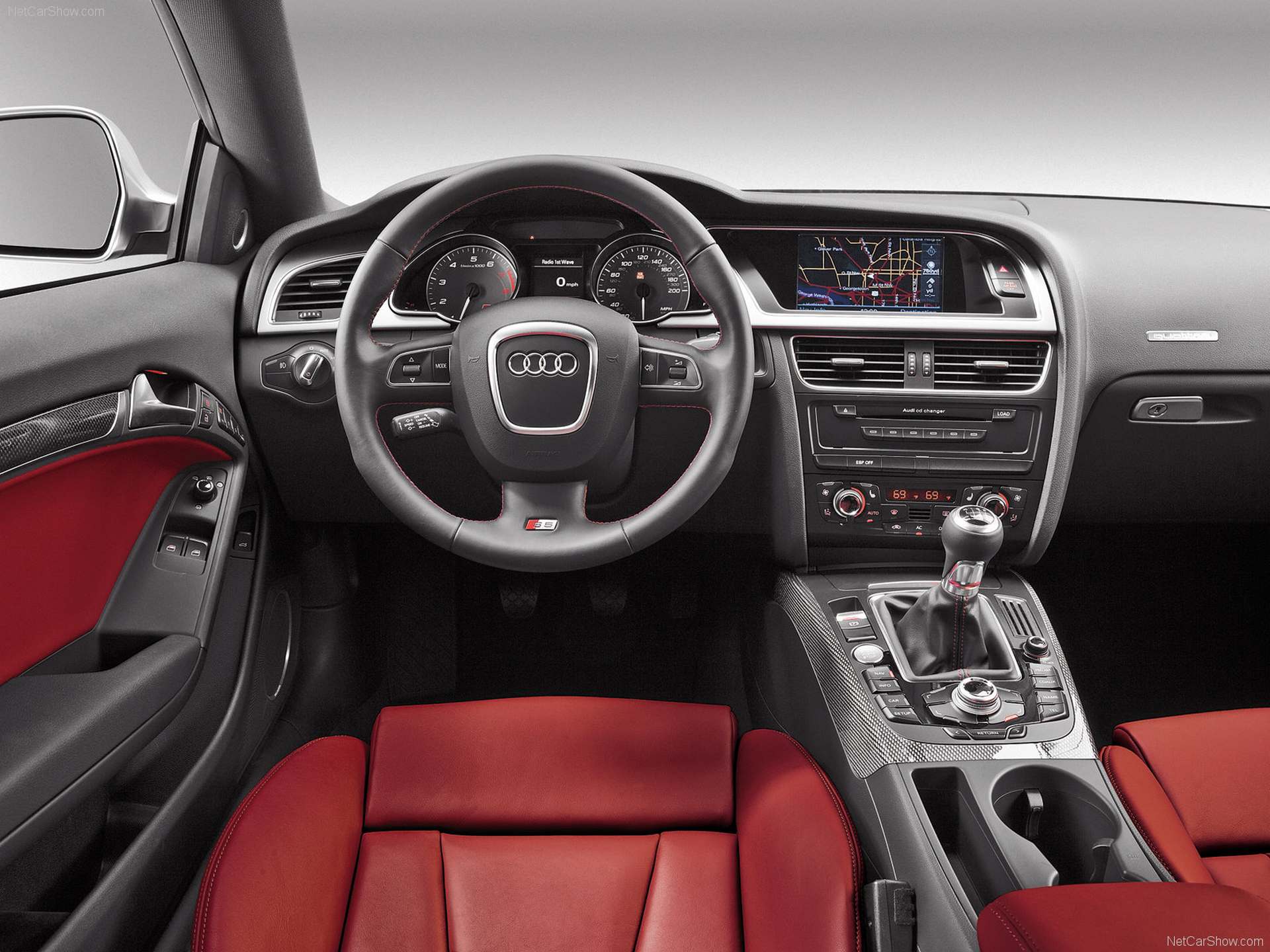
The infotainment system is arguably the most important thing for the average driver. The 3G MMI in the B8 is perfectly functional but lacks all the modern connectivity we’ve become accustomed to. It’s a relatively small screen and set into the dashboard, unlike the iPad-esque screens we see today. Aftermarket retrofit kits featuring bigger screens and wireless Apple CarPlay connectivity are available, though they can be a small installation project. The B9's infotainment took an enormous step forward, bringing the S5 into the current era. Between pre- and post-facelift models, there have been three screen sizes and two generations of MMI software, each featuring more customizability, quicker response times, and a wider capability than that of the B8. A Bang & Olufsen speaker system is optional for both generations.
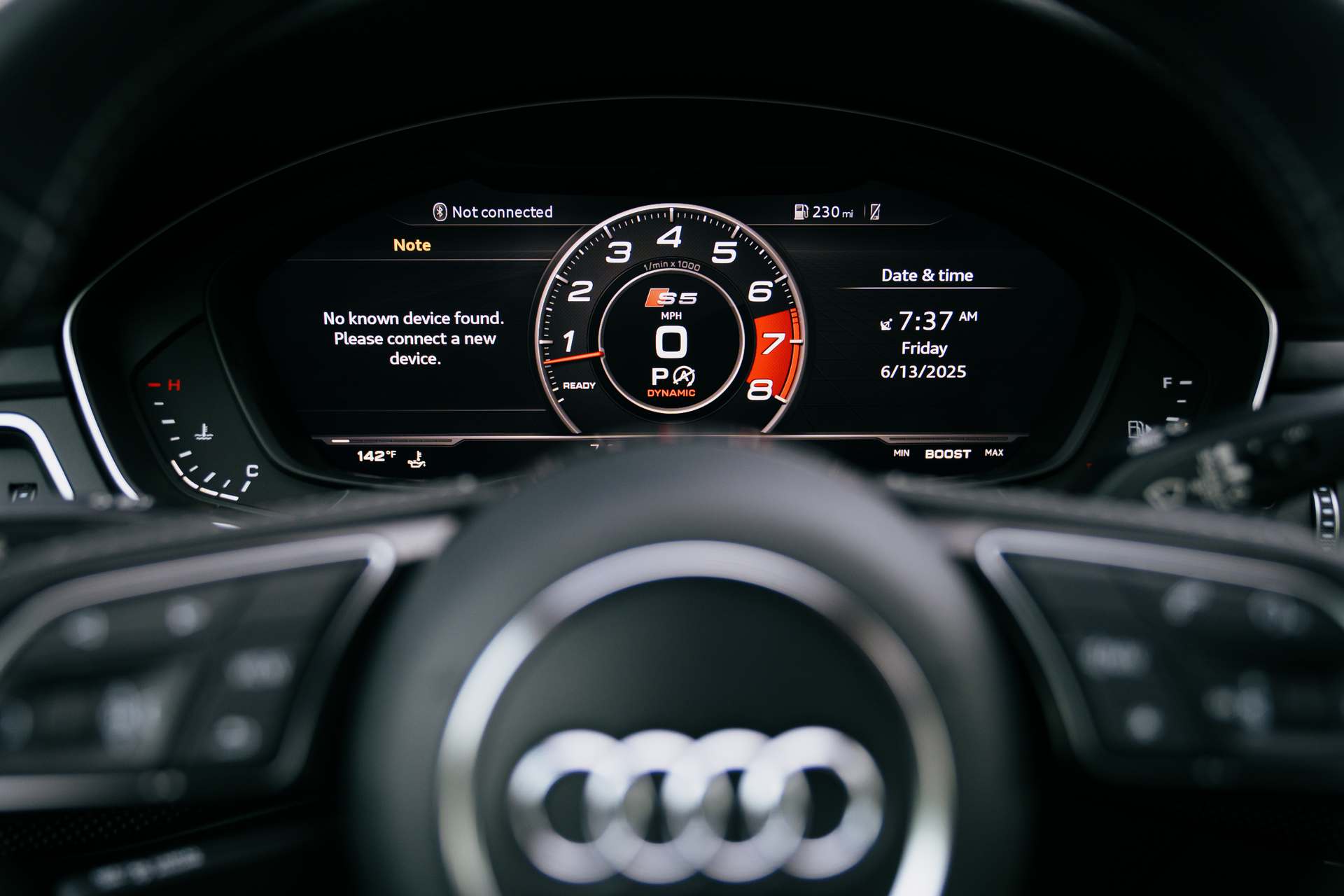
Both generations offer three-zone climate control and Bluetooth connectivity, but only the newer one has them as standard. The B9 also has LED ambient lighting, which the older S5 does not. Another B9 exclusive is the Audi virtual cockpit digital dash, a 60fps 12.3-inch display powered by an NVIDIA® quad-core graphics unit. It's configurable and displays just about anything you’d want or need to see as a driver, but it’s an optional extra, so not all will have it. Trim materials and seating are broadly similar between the two. The killer B8 seats returned slightly updated in the B9, now featuring a standard massage function. An Alcantara-like suede remains the upholstery of choice for non-seating surfaces unless optioned otherwise via one of Audi’s many packages.
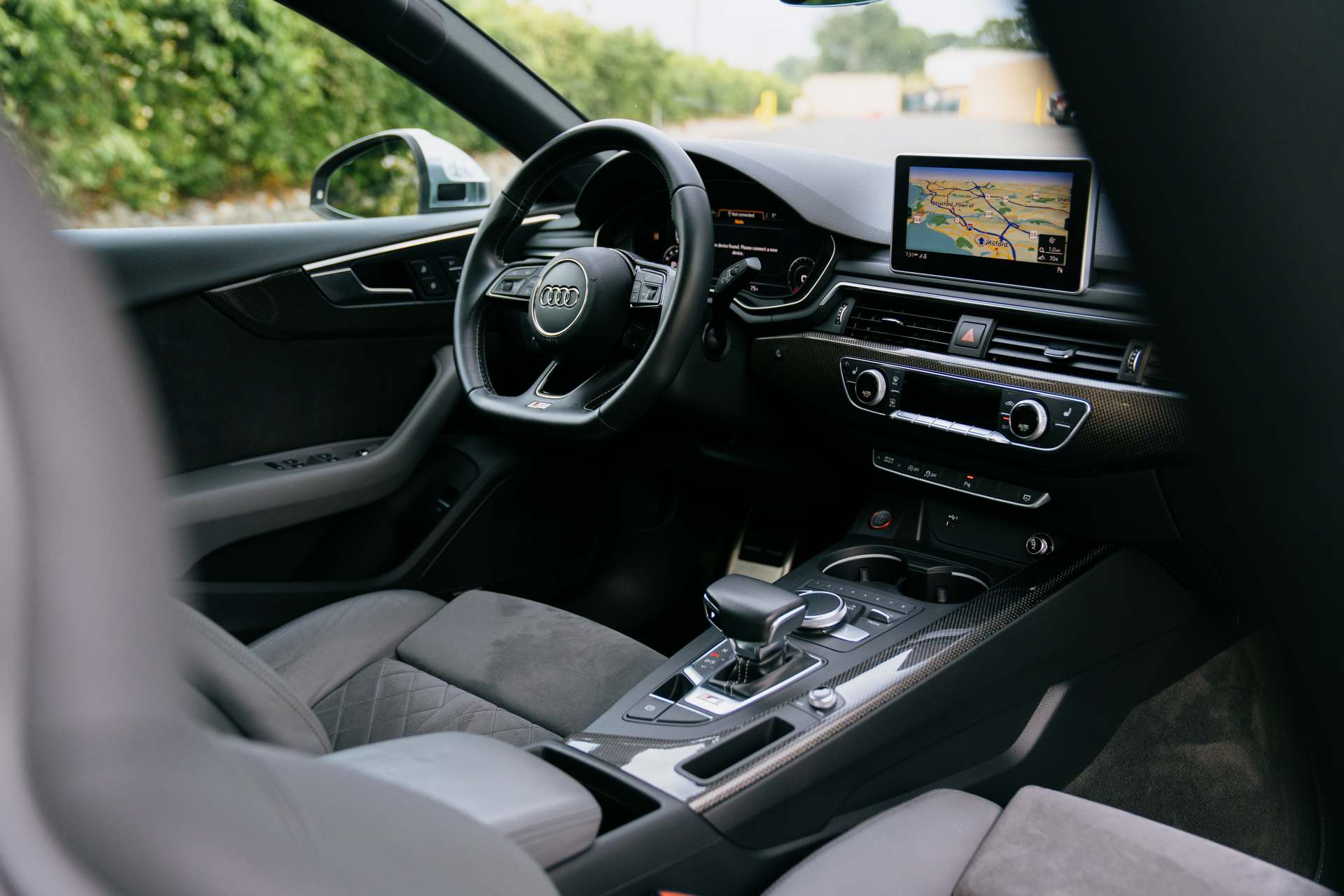
Taking a step back from the specifics to look at the interior as a whole, the B8 still gives the B9 a run for its money. It’s not as technologically relevant, but the switchgear and layout are nice to look at and retain a good feel. I’d argue the complete dashboard, including the infotainment, cluster, and heater controls, is as nicely styled as the later chassis. The iPad-like screens slapped onto the dashboard are somewhat of a universal feature these days, but they don’t look good. It feels like an afterthought, haphazardly placed without regard to how the rest of the styling shapes the interior. Luckily, you can make up your own opinion when searching for your S5.
Audi B8 S5 vs. B9 S5 Pricing
Here’s where you’ll find the widest disparity between the two generations. The older model is just that: old. That’s relative, of course, but the earliest B8 are nearly old enough to see an R-rated movie. Many have undergone several owners and modifications, ending up wherever they are today. It’s not difficult to find one that’s seen some abuse; if anything, it’s easier than finding a clean one. But good examples are out there; you just have to set your price range accordingly.
Here’s what you can expect to pay for a B8 S5:
2008-2012 B8 Audi S5 - $8000-$20,000
2013-2017 B8.5 Audi S5 - $10,000-$30,000
Models on the low end of the pricing spectrum will be pretty beat, have a few faults, and have little to no service records. Expect a project, but there are deals out there. They’re not all as bad as they sound or appear.
The oldest B9 S5s have been around for less than a decade, and with the relatively large jump in tech over the B8, their prices reflect that. You can find them pretty inexpensively, relative to their nearly $70,000 MSRP, but those examples will have over 100,000 miles on the odometer. There’s also a decent gap between the pre- and post-facelift models, as the latter did receive a substantial tech upgrade that many enthusiasts prefer. Average pricing for a used example with service history, mid-five-figure mileage, and good options will be around the MSRP of a brand-new Toyota Camry. However, they can get much pricier than that.
Here’s what you can expect to pay for a B9 S5:
2018-2019 B9 Audi S5 - $18,000-$32,000
2020-2025 B9.5 Audi S5 - $28,000-$70,000