- 03/26/2026
- 5 Min Read
- By: Christian Schaefer
A Rich Or Lean Condition Could Be Fueling Your Engine Troubles

A healthy running engine is all about balance. Fuel, air, and spark combine to create combustion, and each of those catalysts needs to sit at a certain level relative to the others for easy motoring. Many common engine issues throw that balance out of whack, and no area of the engine has more potential causes than the fuel system. Delivering and monitoring the fuel supply is a fairly complicated job with many parts involved. If your engine has a fuel issue, like a rich or lean running condition, here’s some insight as to what’s likely going on.
Keeping The Air/Fuel Balance
Your fuel system includes every piece that helps contain and bring fuel to the engine. You know the big ones—the fuel tank, fuel pump, and fuel injectors—but there’s plenty more between them, ensuring the highly-flammable fuel source is protected from road debris and hot engine bays and supplied to the engine with the proper pressure. Supplying fuel properly is generally as tough as it sounds, and while automakers have figured out the most reliable and safe ways to do that, it’s not perfect.
Faults in the fuel system cause trouble for the air/fuel mixture that each cylinder draws into its combustion chamber. Internal combustion engines run by drawing in fuel and air into a cylinder’s combustion chamber and igniting it, but an air/fuel mixture that’s too far out of balance will prevent that from happening. The optimal air-to-fuel ratio is said to be 14.7 parts air to 1 part fuel, or 14.7:1; however, the true “optimal” ratio varies by engine due to emissions, performance, and safety goals.
Depending on what happens in the fuel system, the problem can be a lean-running condition, meaning there’s not enough fuel in the mixture, or a rich condition, meaning there’s too much fuel in the mixture. Neither is great, and a mixture too far in one direction can lead to serious engine damage. The good news is their symptoms don’t totally overlap, so you should be able to narrow down the problem by observing what your vehicle is doing.
Is Your Engine Running Rich?
When your engine is running rich, it’s consuming too much fuel for the amount of air it takes in. There are a handful of reasons that may happen, but the bottom line is that it’s not good. An overly rich mixture means less time between fill-ups, poorer emissions, sluggish engine performance, and even damage to the cylinder walls, so solving the problem should be urgent. Luckily, rich running conditions come with some tell-tale signs that you can use to help diagnose whatever’s ailing your vehicle.
Sight and smell are your best senses here, as excessive fuel usage causes a gasoline odor from the exhaust and a black, sooty exhaust smoke. Both are caused by partially unburnt fuel escaping after combustion. Although the black exhaust smoke is most likely to appear while the engine is under load, the soot will coat the inside of the tailpipe and may even leave particles on your rear bumper. You can also look out for trouble starting, with an extended cranking sequence and a stumbly idle. The engine may also feel like it wants to surge as you accelerate normally.
Is Your Engine Running Lean?
When your engine is running lean, it’s consuming too little fuel for the amount of air it’s taking in. There are a handful of reasons this may happen, but the bottom line is that it’s not good. Lean running conditions cause reduced engine power, coughs, hesitation under power, and excessive cylinder temperatures. The latter symptom is the worst of the bunch as it’s not one you’ll necessarily be able to detect, but it will cause the most damage. In a worst-case scenario, lean conditions can damage the tip or spark plug, or melt a hole in a valve or piston.
Lean running doesn’t have the same strength of tell-tale signs, but it won’t sneak by you. Trouble starting and running is a big one, though it should feel and sound a bit different from an overly rich engine. Odd pops and coughs through the intake are a definite sign of a lean chamber, and often a precursor to pre-ignition, a more serious symptom. Pre-ignition occurs when the combustion chamber is so hot that it ignites the fuel/air mixture before the spark plug. The expansion that follows places incredible stress on the rotating assembly, which is still moving upward during combustion. That situation also causes a pining or knocking sound that you can hear when it's bad enough.
Most often, a vacuum leak is to blame for a lean-running condition, but failing parts elsewhere can cause the same problem. Check out some of the common causes below.
Fuel Pumps
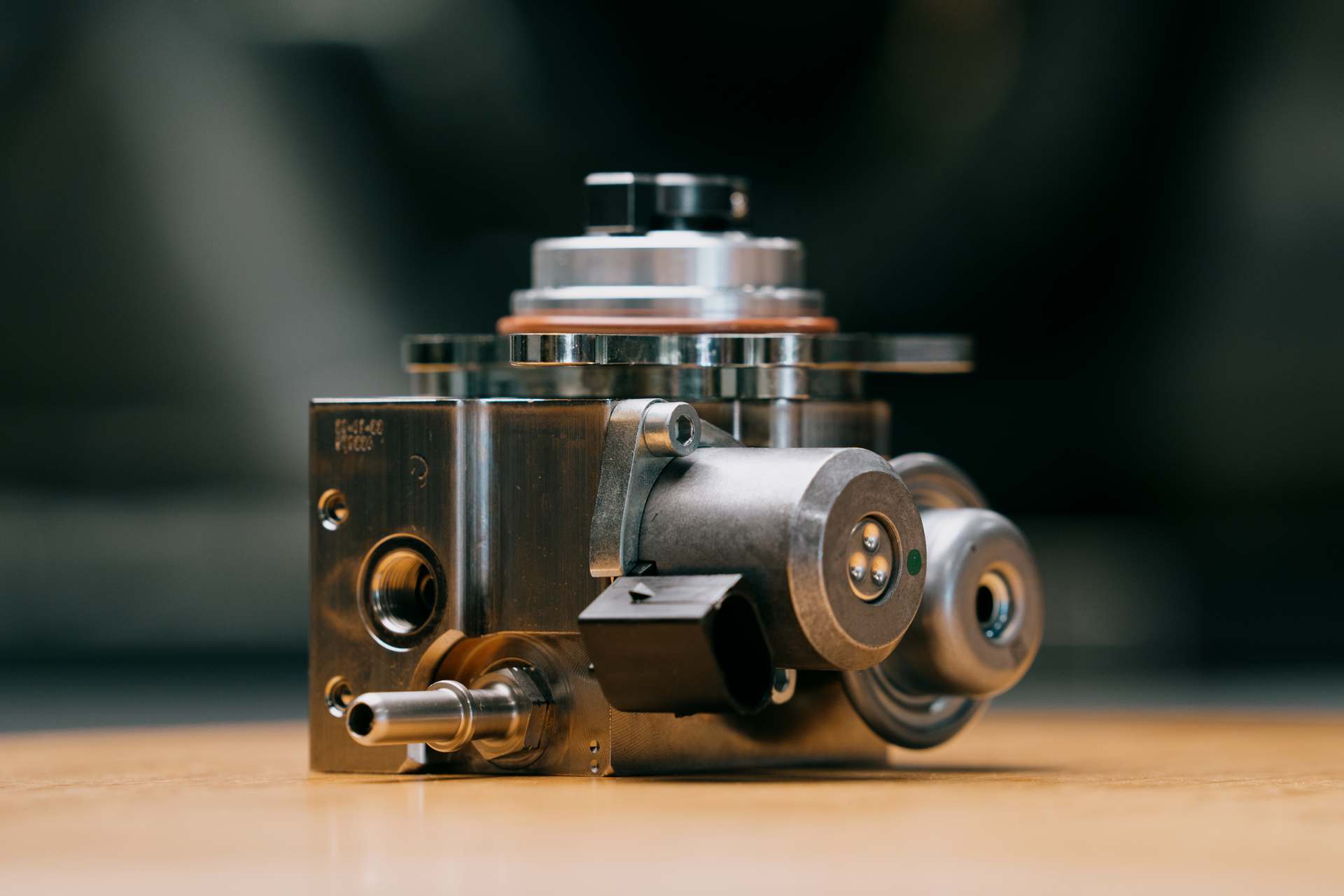
Before your engine can even worry about balancing an air/fuel ratio, it needs a steady fuel supply. Modern vehicles with direct fuel injection use two pumps to make that happen: a high-pressure fuel pump and a traditional in-tank pump. The in-tank pump pulls fuel from the fuel tank and sends it forward into the engine bay to the high-pressure pump, which boosts pressure to several thousand psi for the injectors. It’s a great system when working, but mileage takes its toll, and failures aren’t uncommon.
Learn More About Diagnosing Fuel Pump Issues Here
High-pressure fuel pump failures affect everything from VWs to BMWs to Porsches, and plenty more in between. Often, it’s the pump itself kicking the bucket, but certain engines have issues in the pump’s mechanical drive component. Either way, the pump’s pressure output is affected, and injectors are deprived of the necessary fuel.
In-tank pumps are known for electrical failures and brittle plastics. The electric pump motor will eventually wear out, sometimes gradually, losing pressure until it can’t supply the injectors or high-pressure pump. The brittle plastics are more likely to cause issues with the Evap system and to be the source of a fuel smell in the interior.
Fuel Injectors
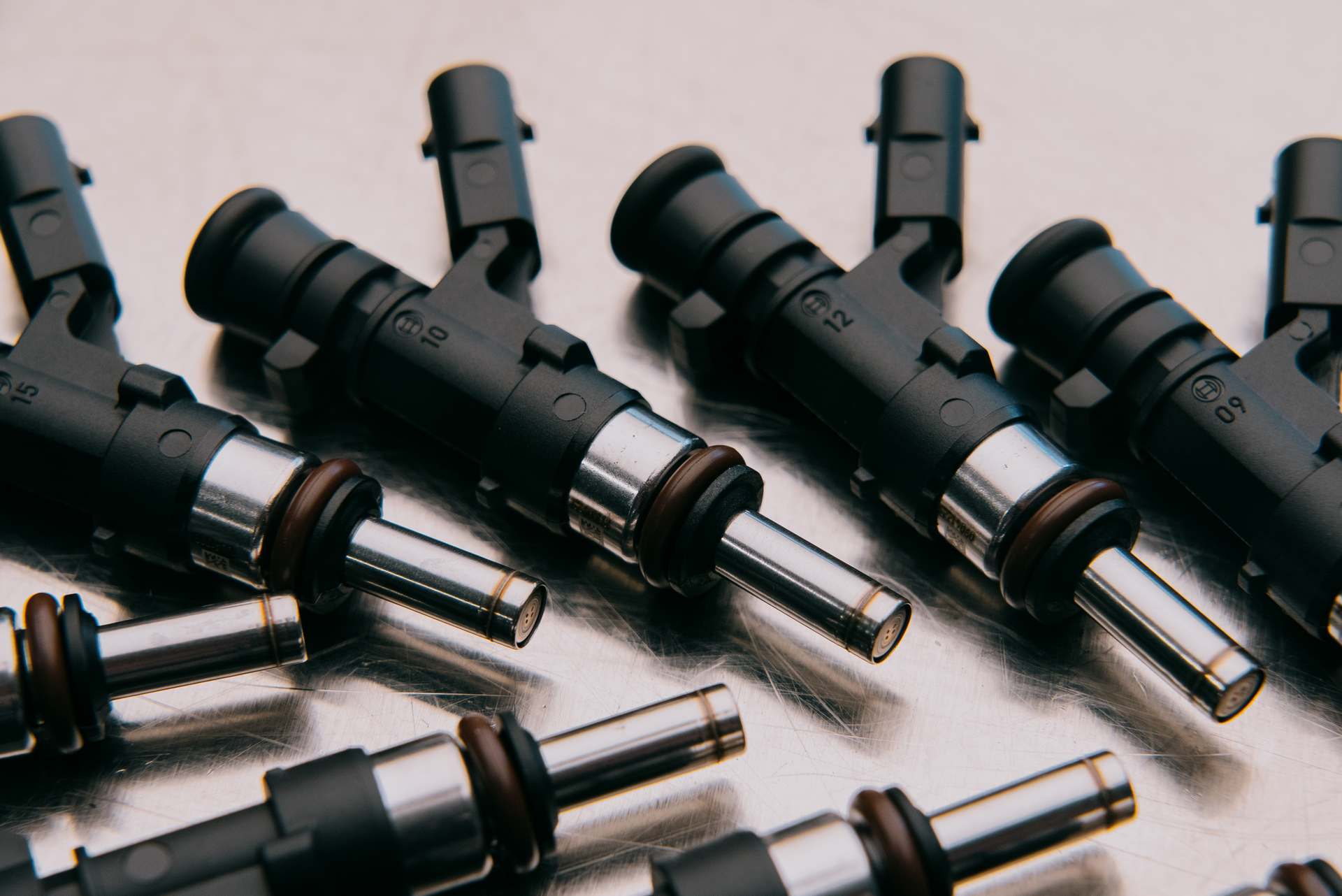
Your fuel pumps send the fuel from your tank up to the engine’s fuel injectors. As their name implies, injectors spray the supplied fuel into the engine, mixing with the intake air to become the air/fuel mixture the engine needs to run properly. They may sit in the intake manifold and spray fuel at the back of the intake valve, or they may be mounted in the head, with the injector spraying fuel directly into the combustion chamber. Both types of injectors are largely reliable, but issues aren’t unheard of.
Issues within the injector are the culprit for lean or rich conditions. It’s likely to be an issue with the mechanism that opens and closes the injector, whether a mechanical failure or gunk jamming it. Depending on how it affects the particular injector, it can cause a weak fuel spray, leading to a lean condition, or it can force the injector to leak when not injecting, allowing fuel to drip consistently into the combustion chamber. The latter will cause a rich running condition, and even hydro-lock the engine if it's bad enough.
Fuel Pressure Sensors
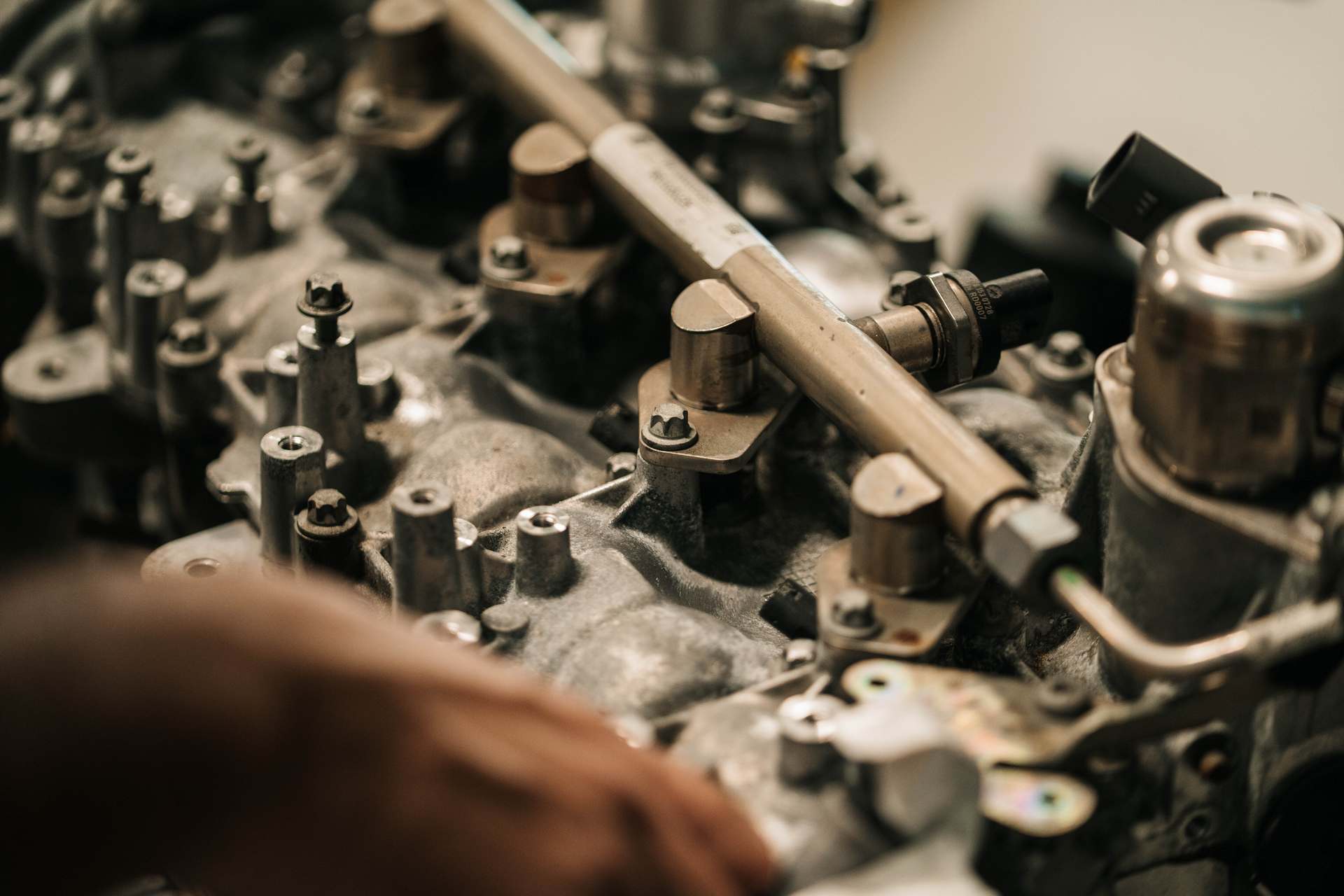
Since direct fuel injection systems have fairly strict optimal fuel pressures, manufacturers have added fuel pressure sensors to the fuel rail that distributes fuel to the injectors. The sensor monitors pressure and relays the information to the engine computer, which uses it to adjust fuel delivery. When the pressure sensor begins to fail, it’ll stop reading the pressure correctly and relay incorrect data to the ECU. Without the right data, the ECU will continue to adjust accordingly, giving your engine too much or too little fuel for a time. The ECU will eventually compare that against other sensors, like the Oxygen sensor, to determine whether there’s an issue before throwing a CEL code.
Oxygen Sensors
Oxygen sensors (O2) are arguably the most critical sensor for a balanced air/fuel ratio. They sit in the exhaust to monitor the air/fuel ratio, reporting minute changes to the engine computer so it can adjust as needed. Anything wrong with the sensor is going to alter how it and the engine computer read the mixture. Lean and rich running conditions are both possible due to failing sensors.
Learn More About Oxygen Sensors Here
MAF/MAP Sensor
The MAF or MAP sensor is the intake-side equivalent to the exhaust’s O2 sensor, in a way, measuring incoming air and relaying that to the ECU so it can determine how much fuel it needs to inject into the engine. The two types of sensors are very different in design and in what they measure, and your engine will only feature one of them, but their health is critical to a smooth-running engine with a balanced air/fuel ratio. If either isn’t functioning properly, your engine is likely to experience a lean or rich condition, if not both, as the engine computer attempts to find its balance with partially incorrect information.
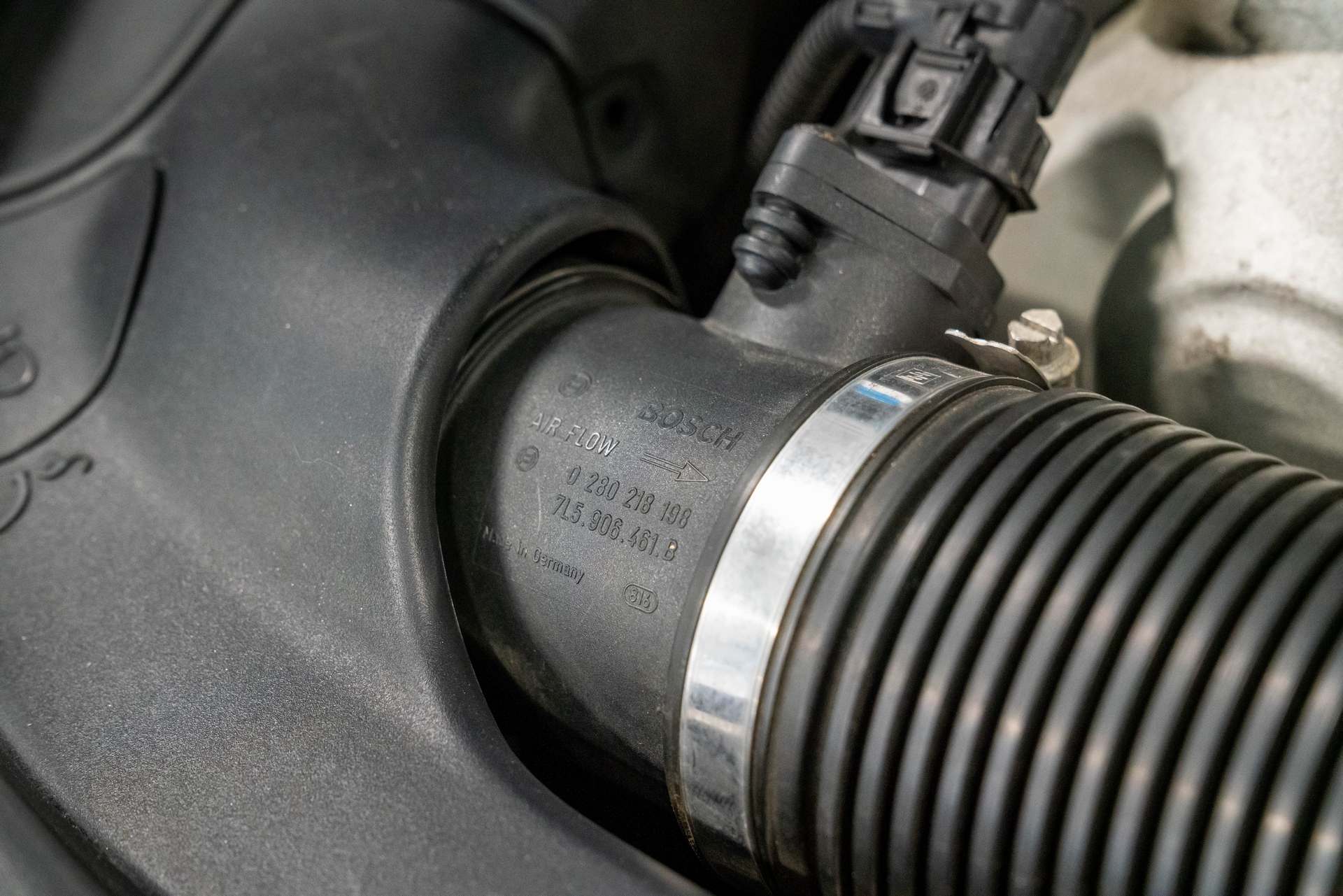
The traditional MAF and MAP sensor failure signs are very similar, with trouble starting and poor idling being the most common to show. Poor idling will transfer to surging and bucking while driving, or near-total power loss as the engine enters a limp mode to preserve itself. Those are major symptoms, and they will trigger engine codes.
Vacuum Leaks
Arguably, the worst of all are the simple vacuum leaks. To have the right balance of air and fuel, the engine computer needs to know how much air the engine is ingesting, and a vacuum leak puts that at risk. The air intake is meant to be the only place air can enter the engine, so any place it enters otherwise is a leak point. The engine pulls in the intake air via vacuum pressure, so the intake air leak is a vacuum leak.
The problem occurs when a leak appears downstream of the air intake, often after the MAF or MAP sensor takes its reading. When that’s the case, the engine is drawing in air that the engine computer doesn’t know about and can’t properly compensate for with enough fuel, leading to a lean condition. It’s pretty common for these kinds of leaks to start small and go unnoticed for a while before becoming a larger issue.
Vacuum leaks are a major source of a rough idle, or one that constantly hunts for an even level. It can also cause poor acceleration and, once it's bad enough, it will trigger an engine code.
Tips For Preventing Fuel System Issues
If you drive your car long enough, you’re going to have to service parts within your fuel system, but if you follow these few tips, you’ll give yourself the best chance to extend the life of your parts.
Use The Best Gasoline You Can Find Or Supplement With Additives
No one would blame you if you didn’t ever think about the quality of the fuel you put in your car. When you hit the pump and choose your octane rating, the gasoline or diesel flowing in may contain minute impurities and larger specs of dirt and oil picked up in transportation. Despite the effectiveness of fuel filters, they aren’t perfect, and gunk can get through. Enough of that, overtime has shown to damage injectors and fuel pumps, shortening their effective life; luckily, avoiding that with quality fuel is pretty simple.
Oil companies differentiate their gasolines from one another with proprietary additive blends. The EPA requires a minimum amount of additives for emissions reasons, but suppliers can add more, and many do. These additives are detergents meant to prevent oil buildup on the valvetrain and clear out gunk from injectors, which aid performance and fuel economy. Bigger brands like Chevron and Shell even add trademarked additives like Techron and V-Power, respectively, to signify just how much better their products are meant to be than the baseline for your vehicle.
Those that go beyond a certain threshold earn the right to be called a Top Tier gasoline. The standards set for the Top Tier marking are well beyond those of the EPA’s minimum requirements, and a study conducted by AAA via an independent lab has shown that the fuels that meet those requirements are better for your engine in the long run. If you have access to it, it's worth the extra few cents for your engine’s health.
If you don’t have a Top Tier gasoline provider near you, you can supplement with LIQUI MOLY’s long-proven line of fuel additives. Their vast line of products covers gasoline and diesel-burning cars, with additives to remove deposits and improve combustion.
Replace Your Fuel Filter On Time (If Applicable)
Engineers have long been aware of the potential debris and dirt within gasoline and diesel fuel at the pump, so our vehicles are equipped with fuel filters. They work just how you’d expect, filtering out that debris before the fuel reaches the engine bay. The vast majority of vehicles will have a sock-style filter on their in-tank fuel pump and a second, replaceable unit somewhere between the tank and the engine. Although a fuel filter replacement is much more critical for diesel vehicles, ignoring its replacement on a gasoline-burning engine can lead to fuel starvation and the buildup of gunk throughout the fuel system.
Try Not To Drain Your Entire Tank Before Filling Up
This piece of advice seems to be shared with grandparents and the older generations in general, but it still has some merit for those of us with older vehicles. Newer models can largely avoid or ignore this unless in parts of the world with notoriously questionable fuel.
When your vehicle sits, heavy dirt and debris settle to the bottom of the tank and collect there, only to be stirred up by driving. Your fuel pump will largely work around the debris, as there’s a lot of relatively clean gasoline to work with. However, once you drain the tank, the gunk-to-gas ratio worsens significantly. Filling up around a quarter of a tank ensures a constant fuel supply with minimal debris to pull through.
If you have any other questions regarding your fuel system, please reach out to our Customer Service team! It's stacked with experts awaiting your technical questions, ready to help you along your DIY journey.